It's time for an update

You've been using your good friend IE for quite some time now. It has been a reliable companion for probably the last 20 years.

Unfortunately, due to technology constantly evolving, we would like to kindly ask you to update your browser to one of your liking from the ones listed below. This will ensure that you're going to have good time on our site. Actually, any site really.

Farewell, Internet Explorer.

What is a heat pump?

A heat pump is a low-carbon heating system that extracts natural heat from the air, ground, or water and transfers it into your home to provide efficient heating and hot water.
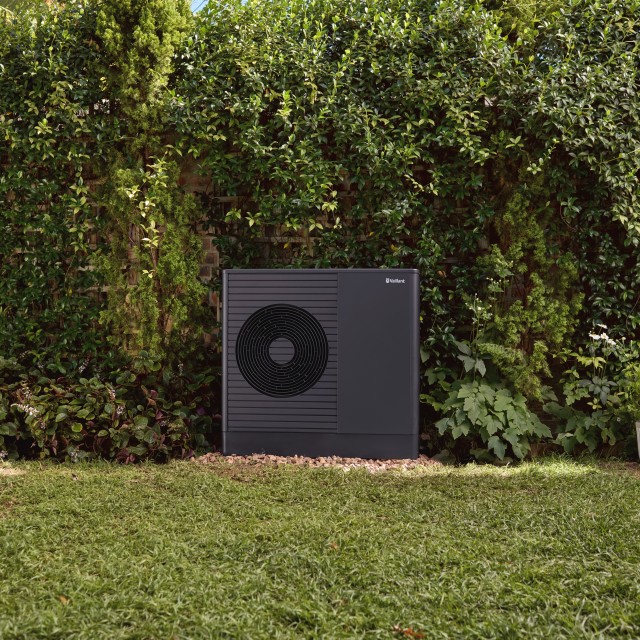
side view of a 12kW aroTHERM heat pump outside home

Unlike a gas or oil boiler, a heat pump doesn't burn fuel to generate heat. Even at temperatures as low as -25°C, there is still enough heat in the air to run an effective system, making a heat pump one of the most energy-efficient ways to heat a home.

Upgrading to a heat pump can improve your home’s energy efficiency, resulting in lower energy bills while also reducing your home’s carbon footprint.

heat pump outside a white wall with grass

Types of heat pumps

There are three main types of heat pumps available: air source, ground source, and water source. Each offers unique benefits, making them suitable for various types of homes.

Before you consider a heat pump, you will need to think about your home's location and surrounding environment, as well as internal space for the required accessories, such as a hot water cylinder.

75% of the energy used comes from the surrounding environment and the remaining 25% is from the household electricity supply. This makes heat pumps are a more environmentally friendly option compared to traditional gas boilers.

Air source heat pumps

Air source heat pumps are the most popular type of heat pump in the UK. They extract heat from the outside air to provide efficient heating and hot water, operating effectively at outdoor temperatures as low as -25°C. For every unit of electricity used to power the system, an air source heat pump can produce up to three units of heat, making them significantly more efficient than a conventional gas or oil boiler.

They are suitable for various property types, including terraced houses, apartments and flats, and thanks to their quiet operation, can be installed with minimal disruption to neighbouring properties.

Ground source heat pumps

Ground source heat pumps use a system embedded in the ground to extract heat. For this reason, your home does need the necessary land to allow for the installation of either a ground array or a borehole system.

Installed systems are not noticeable once completed. However, you will need space inside your home for the internal unit. Some electricity energy is required to allow this, though it is only around 25% of the total energy used during the process. As installation takes longer than other heat pump types, ground source systems are much easier to install during a renovation or new build.

Water source heat pumps

Water source heat pumps extract heat from a nearby body of water, such as a lake, river or pond. Thanks to the consistent temperature of natural water sources, they provide a reliable and stable source of heating and hot water throughout the year.

Water source heat pumps come in closed-loop and open-loop systems. Closed systems are the most common as the necessary pipes are laid underground and in the body of water. Whereas an open loop system requires additional installation as the system actively draws in water for operation, such as a pond, lake or river.

Additionally, installed water source systems are the most low-profile and are best used in instances where visuals must be preserved at all costs. Similar to other heat pump types, you will need indoor space for the internal accessories.

Heat pump planning permission

Planning permission requirements for heat pumps vary depending on the type of system and where you live in the UK.

Since May 2025, new planning rules in England have removed the need for planning permission for most air source heat pump installations. In Wales, specific conditions apply regarding unit size and positioning, and those in Scotland should check local permitted development rules.

Ground and water source heat pump installations are classified as permitted development in most cases. Homeowners in conservation areas or listed buildings should always consult their local planning authority before proceeding, regardless of system type.

Read our heat pump planning permission guide.

How do heat pumps work?

For a more in-depth explanation on how heat pumps work, watch the video:

What are the advantages of a heat pump system?

Incorporating heat pump technology into your home is one of the most economical, effective, and energy efficient ways to cover your heating and hot water needs.

As the main source of heat generation comes from the environment itself, the amount of energy required to generate the necessary heating for your home is vastly reduced compared to other methods.

Here are some of the benefits of modernising your home with heat pump technology:

  • Reduce energy bills

    Heat pumps generate the majority of their thermal energy from the surrounding environment, making them a cost-efficient heating solution that can reduce household running costs and energy bills.

  • Efficient operations

    Vaillant heat pumps are tried and tested in temperatures as low as -25°C, delivering reliable performance throughout the coldest UK winters.

  • Sustainable

    Heat pumps draw energy from natural renewable sources, making them a sustainable alternative to fossil fuel heating. The aroTHERM plus uses R290 refrigerant, which carries a 100-year Global Warming Potential (GWP) of just 0.02.

  • Flexible

    Heat pumps work effectively with both radiators and underfloor heating systems, making them suitable for a wide range of homes.

  • No emissions

    With 75% of energy drawn from natural sources and the remaining 25% from electricity, heat pumps produce no direct emissions at the point of use.

  • Government incentives

    The UK Government's Boiler Upgrade Scheme offers homeowners in England and Wales a grant of up to £7,500 towards the cost of installing a qualifying heat pump, reducing the upfront cost considerably. In Scotland, homeowners may be eligible for support through Home Energy Scotland, which offers loans and cashback incentives for renewable heating systems. Homeowners in Northern Ireland can explore funding options through the NI Sustainable Energy Programme.

    Read more on the Boiler Upgrade Scheme
  • Smart system compatible

    A heat pump works excellently as part of a climate controlled system within the home and integrates easily with a range of heating controls, including smart home accessories such as the myVAILLANT connect internet gateway.

    Read more about the myVAILLANT connect
  • Quiet operation

    Quiet Mark certified, Vaillant heat pumps are among the quietest available, making them suitable for installation across a variety of property types including terraced houses and built-up urban areas.

  • Long service life

    With an average lifespan of 20 to 25 years, a well-maintained heat pump typically lasts twice as long as a conventional domestic gas boiler.

  • Low maintenance

    Heat pumps have a robust design with few moving parts, requiring little ongoing maintenance. An annual service is recommended to maintain performance and keep your guarantee valid.

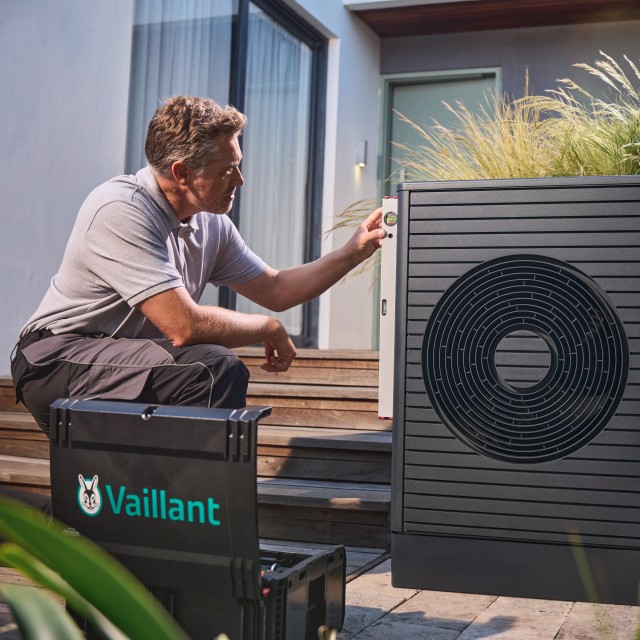
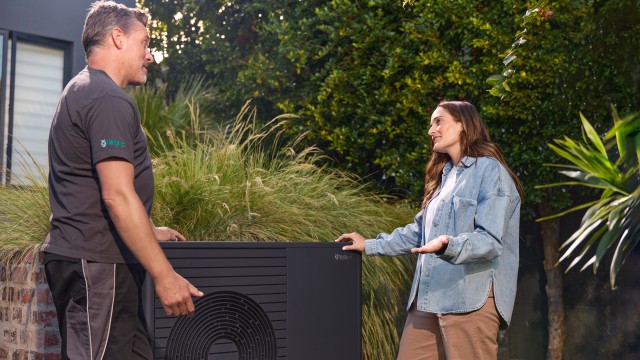
Two men working together on a heat pump, showcasing their skills and cooperation in a technical installation process.

The best time to install a heat pump

We recommend having your new heat pump installed in the warmer months and your installer will have to disconnect your current system to fit the heat pump.

For further information on the heat pump installation, read our step-by-step guide on how to buy a heat pump.

Thinking of upgrading to a heat pump?